Malaysia: A Vibrant Tapestry of Natural Wonders, Cultural Diversity, and Sustainable Tourism
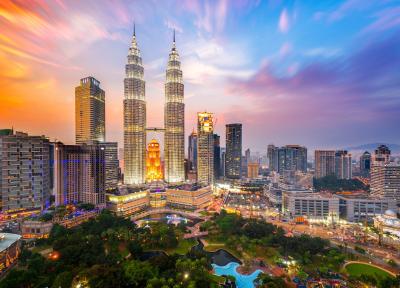
Travel to Malaysia encompasses a diverse array of experiences, making it a notable destination for international tourists. Located in Southeast Asia, Malaysia is renowned for its stunning landscapes, rich cultural heritage, and vibrant biodiversity, attracting millions of visitors each year who seek to explore its urban centers, pristine nature, and unique cultural experiences. Notably, Malaysia’s dual identity as a modern metropolis, exemplified by Kuala Lumpur, and as a haven for nature lovers, with attractions like Borneo's rainforests, positions it as one of the premier travel destinations in Asia. The country is characterized by its two main regions: Peninsular Malaysia and East Malaysia, each offering distinct experiences ranging from bustling cities to serene beaches and national parks. Malaysia's climate, predominantly tropical, allows for year-round travel, although travelers should be mindful of the monsoon seasons that influence weather patterns in different regions. Ecotourism plays a significant role in attracting visitors, as Malaysia is home to numerous UNESCO World Heritage sites, including the historic city of Malacca and the biodiversity-rich Gunung Mulu National Park, which showcase its commitment to preserving both natural and cultural heritage. Travel to Malaysia is facilitated by a well-developed infrastructure, including major international airports and an extensive domestic transport network, making it easily accessible for tourists from around the globe. While the country is generally considered safe, travelers are advised to take standard health precautions, such as vaccinations and mosquito protection, especially when visiting rural or rainforest areas. As the nation balances tourism with environmental sustainability, ongoing challenges such as pollution and the need for infrastructure improvements are being addressed to enhance the overall travel experience. Prominent controversies surrounding travel to Malaysia include discussions about environmental conservation and the impact of tourism on local communities, particularly in ecologically sensitive areas. As Malaysia positions itself as a leading eco-tourism destination, efforts to foster responsible tourism practices are critical in ensuring that both its natural beauty and cultural richness are preserved for future generations.
Geography
Malaysia is located in Southeast Asia, bordered by the Straits of Malacca and the South China Sea, and is known for its remarkable biodiversity and varied geography. The country consists of two main regions: Peninsular Malaysia and East Malaysia, which is located on the island of Borneo. This diverse landscape includes coastal regions, highlands, and extensive rainforests, contributing to its status as one of the premier ecotourism destinations in Asia.
Climate
Malaysia experiences a stable tropical rainforest climate due to its proximity to the equator. The average annual temperature hovers around 27°C (80.6°F), with significant humidity levels throughout the year. Rainfall is abundant, averaging between 2000mm (78.74") and 2500mm (98.43") annually, with no distinct dry season. Instead, the climate is characterized by two main monsoon seasons: the Southwest Monsoon from May to September and the Northeast Monsoon from November to March.
Natural Features
The geography of Malaysia encompasses a range of ecosystems, from mangrove swamps to highland rainforests, making it home to a wide variety of flora and fauna. Notable natural reserves include Taman Negara, the oldest national park in Malaysia, and the Langkawi Geopark, which was designated a UNESCO Global Geopark in 2007 due to its exceptional geological formations and ecological importance. The country also features mountainous regions, such as Kinabalu Park, recognized for its biodiversity and the variety of trails available for exploration.
Biodiversity
Malaysia is regarded as a hotspot for biodiversity, containing rich and diverse habitats. The country is a sanctuary for numerous endangered species, including orangutans and pygmy elephants, particularly within conservation areas like Danum Valley. The varied climatic zones across Malaysia foster high levels of endemism, supporting a rich tapestry of plant and animal life.
Unique Regions
From the cool highlands of Cameron Highlands, known for their picturesque tea plantations, to the vibrant urban landscapes of Kuala Lumpur, Malaysia's geography presents an engaging blend of natural beauty and modern development. Each region offers unique experiences, from lush green forests to bustling cities, reflecting the country’s cultural and ecological diversity.
Culture
Malaysia's culture is a vibrant mosaic that reflects the harmonious coexistence of various ethnic groups, including Malays, Chinese, Indians, and Indigenous communities. This multicultural landscape is celebrated through numerous festivals, traditions, and culinary practices that highlight the unique contributions of each group. Festivals such as Hari Raya, Chinese New Year, Deepavali, and Christmas showcase the shared cultural heritage and mutual respect among different communities, emphasizing Malaysia's commitment to unity through diversity.
Cuisine
Malaysia’s culinary scene is a rich tapestry of flavors influenced by its diverse ethnic groups. The cuisine combines Malay, Chinese, Indian, and Indigenous elements, creating a unique culinary identity. Iconic dishes like Nasi Lemak, Roti Canai, and various curries represent this blend, showcasing the country's multicultural influences and offering a delightful exploration of its gastronomic heritage.
Traditional Dishes
- Nasi Lemak: Often considered the national dish, Nasi Lemak consists of fragrant rice cooked in coconut milk, served with sambal, fried crispy anchovies, and boiled eggs.
- Roti Canai: A flaky, buttery flatbread, Roti Canai is commonly enjoyed at breakfast, paired with dhal or chicken curry, illustrating the Indian influence on Malaysian cuisine.
- Hinava and Pansuh: Indigenous dishes like hinava, a raw fish salad, and pansuh, meat cooked in bamboo, reflect traditional knowledge and sustainable practices unique to the Indigenous communities.
Festivals and Celebrations
Hari Raya Aidilfitri
Hari Raya Aidilfitri marks the end of Ramadan and is celebrated with great joy across Malaysia. Families come together for prayers, festive meals, and the giving of alms to those in need. Traditional dishes like ketupat and rendang are prepared in abundance, and homes are adorned with lights and decorations, illustrating the spirit of compassion and gratitude during this significant occasion.
Deepavali
Deepavali, celebrated by the Indian community, symbolizes the victory of light over darkness. Homes are illuminated with oil lamps, and intricate kolam designs adorn the entrances. Temples become gathering places for prayers and offerings, while families indulge in traditional sweets and dishes. This festival emphasizes unity and joy, reflecting the multicultural fabric of Malaysian society.
Gawai and Kaamatan
The Indigenous peoples of Malaysia, such as the Orang Asli and the Dayak, celebrate harvest festivals like Gawai and Kaamatan. These events are marked by traditional music, dances, and storytelling, highlighting their deep connection to nature and the importance of sustainable practices in their cultural expressions.
Language and Communication
The linguistic diversity of Malaysia is another hallmark of its rich culture. Bahasa Malaysia serves as the national language, fostering communication and a sense of national pride among its people. Additionally, many Malaysians are multilingual, often speaking English, Mandarin, Tamil, and various local dialects, which enhances cross-cultural interactions and reflects the country's adaptability.
Arts and Crafts
Malaysia is home to a variety of traditional arts and crafts, such as batik and songket, which are celebrated for their intricate designs and cultural significance. These crafts not only showcase the artistic talents of Malaysian artisans but also serve as a medium for preserving cultural heritage and storytelling. The practice of wood carving and pewter smithing further exemplifies the nation's dedication to craftsmanship and artistic expression.
Getting There
Malaysia boasts a well-developed air transportation network, making it one of the most accessible countries in Southeast Asia. With a total of 62 airports, including 38 in East Malaysia and 24 in Peninsular Malaysia, travelers can easily reach various destinations throughout the country. Among these, eight international airports serve as key gateways, including Kuala Lumpur International Airport (KLIA) and Penang International Airport, both of which are linked to numerous global destinations.
International Travel
Malaysia's major international airports facilitate direct flights from various countries, allowing travelers to conveniently arrive in the region. Airlines such as Malaysia Airlines, AirAsia, and Firefly provide extensive connectivity, enabling easy transfers between major cities and tourist spots. For international arrivals, it is crucial to check visa and immigration requirements prior to booking flights to ensure a smooth entry into the country.
Domestic Travel
Once in Malaysia, domestic flights are an excellent option for covering longer distances efficiently. Airlines like MASwings, a subsidiary of Malaysia Airlines, operate flights between major cities and islands, including popular destinations such as Langkawi, Penang, and the historic city of Melaka. For those preferring ground transport, intercity trains, particularly the Electric Train Service (ETS) and KTM Komuter, connect major urban areas, offering a comfortable travel experience.
Local Transportation
Upon arrival, navigating Malaysia's urban centers is made easy with a range of public transport options. The MRT (Mass Rapid Transit) and LRT (Light Rail Transit) systems serve the Klang Valley, including Kuala Lumpur, providing efficient and air-conditioned travel to key attractions and neighborhoods. For seamless travel across different transport modes, travelers can consider purchasing a Touch 'n Go card, which allows for cashless transactions on public transport. In rural areas, while public transport may be less frequent, options such as minibuses and taxis are available for hire. Planning journeys in advance is advisable to accommodate local schedules and avoid unexpected delays.
Airport Transfers
Kuala Lumpur International Airport offers various transfer options, including the KLIA Ekspres train, taxis, and ride-hailing services like Grab, providing convenient access to the city and surrounding areas. For those traveling to destinations such as Mulu, local shuttles operate from the airport to nearby accommodations, ensuring easy connections to national parks and other attractions.
Major Destinations
Penang
Penang, often referred to as the "Pearl of the Orient," is a vibrant island located off the northwest coast of Malaysia. Its capital, George Town, is a UNESCO World Heritage Site renowned for its colonial-era architecture, colorful street art, and lively atmosphere. Visitors can explore narrow streets lined with historic temples and charming shophouses while admiring stunning murals that reflect the island's multicultural history. Penang is also celebrated as the street food capital of Malaysia, offering a diverse culinary landscape that includes local favorites such as char kway teow, laksa, and nasi kandar.
Langkawi
Langkawi is famous for its beautiful landscapes, including beaches and the iconic Langkawi cable car that offers breathtaking views from Gunung Machinchang mountain. The area is perfect for both relaxation and adventure, with attractions such as the Sky Bridge and opportunities for island hopping to nearby destinations like Pulau Sembilan. Visitors can also explore black sand beaches and experience natural phenomena like the blue tears caused by bioluminescent plankton. These destinations collectively showcase Malaysia's rich cultural heritage, stunning natural beauty, and diverse attractions, making it a captivating travel experience for visitors.
Malacca
Malacca is known for its rich historical significance and charming attractions. The heart of the city, Jonker Street, is famous for its bustling night market, antique shops, and delicious street food, including specialties like chicken rice balls and Nyonya laksa. Iconic landmarks such as the Dutch Square, St. Paul’s Hill, and the A Famosa fort offer glimpses into the city’s colonial past, having been influenced by Portuguese, Dutch, and British rule. Visitors can also enjoy leisurely river cruises along the Malacca River, taking in the picturesque views of colorful murals and quaint cafes.
Kuantan
Kuantan, the ninth largest city in Malaysia, provides a unique mix of beach options and nature parks. Notable destinations include Teluk Cempedak Beach and nearby nature spots like Sungai Pandan Waterfall. The city also offers access to Pulau Ular, commonly known as Snake Island, as well as the historic Sungai Lembing, known for its underground tin mine and museum, which highlights the area's tin mining history.
Lesser-Known Gems
Malaysia is home to several hidden gems that offer unique experiences away from the crowded tourist hotspots. Destinations like Kapas Island and Kek Lok Tong Cave Temple allow travelers to enjoy serene landscapes and rich culture. The Cameron Highlands, with its tea plantations, and Bako National Park, known for its wildlife and stunning natural scenery, are also worth exploring.
Accommodations
Finding suitable accommodations that fit your budget can be challenging for long-distance travelers visiting Malaysia. However, various options are available, including budget-friendly hostels, Airbnb rentals, and hotel deals, which can provide comfort without breaking the bank. Research is essential to find the perfect place, and utilizing travel booking websites can help compare prices, locations, and amenities while also offering reviews from other travelers.
Types of Accommodations
Budget-Friendly Options
Backpackers and budget-conscious travelers can find suitable accommodations in hostels and guesthouses. Hostels typically offer dormitory-style rooms, which allow guests to save money while meeting fellow travelers. They provide essential facilities like kitchens, Wi-Fi, and common areas, making them a popular choice among young adventurers. Guesthouses, on the other hand, resemble private homes or small hotels, often catering to families or groups seeking a quieter environment. They come equipped with similar amenities, including kitchens, Wi-Fi, and parking spaces.
Eco-Friendly Stays
For those who prioritize sustainability, Malaysia offers eco-friendly hotels known as green hotels. These accommodations focus on minimizing their environmental impact while providing necessary amenities to guests. Many eco-friendly hotels utilize sustainable resources, such as solar power, and avoid single-use plastics. Staying at such establishments allows travelers to enjoy their experience while supporting environmentally responsible practices.
Unique Experiences
Travelers seeking unique experiences may consider options like Couchsurfing, camping, or house-sitting. Couchsurfing allows visitors to stay with local hosts, providing an opportunity to immerse themselves in Malaysian culture and traditions. Camping can be a great way to experience the country's natural beauty, while house-sitting often offers a comfortable living space with a more home-like atmosphere.
Booking Considerations
When planning a stay in Malaysia, it is advisable to book accommodations in advance, especially during peak tourist seasons. Travelers should verify the credibility of booking sites and understand the terms and conditions before confirming reservations to avoid any conflicts during their stay. Moreover, ensuring that accommodations are located conveniently can enhance the overall travel experience, allowing for easy access to attractions and local activities.
Safety and Health
While Malaysia is generally considered safe for tourists, it is important to take certain precautions to ensure a healthy and secure travel experience.
Health Considerations
Health precautions are essential for enjoying your trip to Malaysia. Tourists should stay hydrated, especially in hot and humid conditions, and should apply sunscreen to protect against sunburn. Care should also be taken when consuming street food to prevent stomach issues. In terms of vaccinations, it is advisable to be inoculated against Hepatitis A, Tetanus, and Typhoid prior to travel. Malaria is typically not a concern in urban areas and many forested regions, making prophylaxis unnecessary in most cases. However, Dengue fever can occur sporadically in cities, so using effective insect repellent is highly recommended to avoid mosquito bites.
Travel Precautions
Travelers are advised to research their destinations thoroughly and stay informed about the current situation, including common scams and pickpocketing tactics prevalent in specific areas. It is also recommended to avoid dangerous neighborhoods and to carry copies of important documents such as passports, travel papers, and emergency contact information. Keeping valuables secure and being aware of one’s surroundings can significantly enhance personal safety. If a situation feels suspicious, trusting one's instincts and leaving the area is prudent.
Emergency Information
In case of emergencies, the number to call for police, ambulance, and fire services in Malaysia is 999. Understanding and following local customs and etiquette also contribute to a safer travel experience, as respecting cultural norms can prevent misunderstandings and conflicts. By taking these safety and health measures into account, travelers can enjoy their Malaysian adventure with greater peace of mind.
Eco-Tourism
Eco-tourism in Malaysia has emerged as a significant component of the country's tourism landscape, offering travelers unique opportunities to explore its rich natural biodiversity and promote conservation efforts. With its ancient rainforests, beautiful beaches, and vibrant ecosystems, Malaysia is positioned as a prime destination for eco-conscious travelers seeking authentic experiences while minimizing their environmental impact.
Conservation and Eco-Friendly Initiatives
National parks in Malaysia are at the forefront of promoting sustainable tourism. They not only protect unique ecosystems and wildlife but also encourage low-impact activities such as hiking, birdwatching, and kayaking. Visitors are educated on responsible behavior through various programs, ensuring they adhere to the "Leave No Trace" principles which emphasize respecting wildlife and preserving the natural environment. Activities like reforestation projects are also available, allowing tourists to actively participate in conservation efforts while enjoying their visit.
Sustainable Accommodation
Travelers looking for eco-friendly lodging can choose from various options, including eco-friendly hotels that provide basic amenities with minimal environmental impact, as well as opportunities for Couchsurfing, camping, and staying in rental apartments. Such accommodations often promote sustainable practices, further enhancing the eco-tourism experience by allowing visitors to support local economies.
Promoting Responsible Tourism
To foster responsible tourism, visitors are encouraged to minimize waste, respect local cultures, and avoid harmful practices like littering. Engaging in local dining experiences and purchasing handmade souvenirs from artisans helps boost the local economy while providing travelers with meaningful interactions. Tourists are also advised to utilize eco-friendly transportation methods, such as biking or walking, to reduce their carbon footprint during their explorations.
Challenges and Future Prospects
While eco-tourism in Malaysia is flourishing, it faces challenges such as pollution and the need for ongoing public infrastructure investments to enhance the country’s appeal as a clean and safe destination. The Malaysian government and various agencies are working to attract high-value tourists through investments in conservation and sustainable tourism practices, ensuring that both the natural environment and local communities benefit from tourism activities. As eco-tourism continues to grow, Malaysia aims to balance its rich cultural heritage with environmental sustainability, positioning itself as a leading destination for eco-tourists globally.