Navigating the Waves: The Evolution, Impact, and Future of Cruise Travel
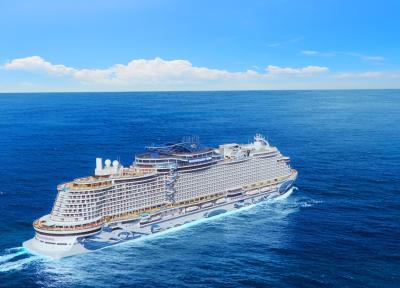
A cruise ship, often referred to as a floating resort, is a large vessel designed for leisure travel, offering passengers a unique blend of exploration, relaxation, and entertainment while traversing oceans and waterways. The cruise industry has transformed significantly since its inception in the early 19th century, evolving from basic ocean liners focused on transportation to modern mega ships equipped with luxurious amenities and diverse itineraries. Today, cruise ships can accommodate thousands of passengers, providing a vast array of dining options, entertainment activities, and immersive experiences, making them one of the most popular forms of vacation travel worldwide. The cruise industry's remarkable growth can be attributed to various factors, including advancements in maritime technology, changing consumer preferences, and the allure of themed cruising experiences. Key milestones, such as the launch of the SS Great Western in 1838 and the introduction of the first purpose-built cruise ship, Prinzessin Victoria Luise, in 1900, highlight the sector's evolution from transportation to leisure. The 1970s marked a pivotal period in this transition, with the success of television shows like The Love Boat helping to popularize cruising as an appealing holiday option for couples and families alike. However, the cruise industry is not without controversies, particularly regarding its environmental impact and safety concerns. Issues such as air and water pollution, waste management, and the challenges of ensuring passenger safety have prompted ongoing scrutiny from environmental groups and regulatory bodies. Incidents like the Costa Concordia disaster in 2012 have led to significant changes in safety protocols, emphasizing the industry's commitment to improving standards and practices to protect both passengers and the environment. As the cruise industry navigates the complexities of modern travel, it continues to adapt to emerging trends such as sustainability, technological innovations, and evolving passenger preferences. With a focus on enhancing the onboard experience while addressing environmental challenges, the cruise sector is poised to offer extraordinary journeys that cater to a diverse range of travelers, promising unique adventures on the high seas for years to come.
History
The history of cruise ships can be traced back to the early 19th century, marking the beginning of a new era in leisure travel. The SS Great Western, launched in 1838, is often recognized as the first purpose-built ocean liner, establishing regular transatlantic travel powered by steam. Initially, ocean liners were designed primarily for transport and mail delivery, with the earliest vessels focused on cargo rather than passenger comfort. However, as the demand for passenger travel grew, especially among the wealthy, ships began to evolve into luxurious vessels designed for leisure and comfort. By the early 20th century, the concept of ocean liners shifted dramatically. Advancements in technology allowed these ships to become larger, faster, and more opulent. The RMS Titanic, launched in 1912, exemplified the peak of luxury in ocean liner design, featuring extravagant interiors and cutting-edge technology. During this time, several luxury liners, such as those owned by the Cunard Line and White Star Line, dominated the market, offering exceptional experiences for affluent travelers. The transition from traditional ocean liners to modern cruise ships began in the mid-20th century. The first cruise ship built exclusively for luxurious travel was the Prinzessin Victoria Luise, launched in 1900, which set the foundation for the cruise industry by introducing the concept of leisure cruising. The cruise industry's popularity surged in the 1970s, fueled by changing travel preferences and the introduction of themed cruises catering to diverse demographics. The television series The Love Boat, which aired from 1977 to 1986, played a significant role in popularizing cruising as a romantic getaway for couples and attracting a broader audience. Contemporary cruise ships, particularly those built in the late 1980s and later, have evolved to resemble "megaships," featuring vast amenities and accommodating thousands of passengers. These modern vessels often prioritize private balconies and luxurious accommodations, offering an experience akin to floating resorts rather than traditional ocean liners. The cruise ship industry has experienced remarkable growth over the past few decades, becoming one of the most sought-after forms of vacation travel, providing a unique blend of exploration, relaxation, and entertainment. As the industry continues to adapt to changing preferences and environmental consciousness, it promises to deliver even more extraordinary experiences for future travelers.
Types of Cruise Ships
Cruise ships are categorized into various types based on their design, capacity, purpose, and the experiences they offer. Each type caters to different passenger preferences and travel styles, ensuring there is a suitable option for every traveler.
Mega Cruise Ships
Mega cruise ships, capable of accommodating more than 5,000 passengers, represent the pinnacle of modern cruise technology and luxury. These vessels often include state-of-the-art facilities, such as multiple swimming pools, theaters, and extensive dining options. The largest of these, such as the Wonder of the Seas, are designed to provide an extraordinary travel experience with a vast array of recreational activities onboard.
Ocean Cruise Ships
Ocean cruise ships are specifically designed for ocean travel and are generally larger vessels built to withstand harsh sea conditions. These ships often offer long-distance cruises, including world cruises, and are equipped with a variety of amenities that enhance the passenger experience, making them suitable for leisure voyages over extended periods.
River Cruise Ships
River cruise ships navigate inland waterways and are typically smaller than ocean cruise ships. These vessels provide a more intimate experience, allowing passengers to explore picturesque towns and cultural sites along rivers such as the Amazon, Seine, and Mississippi. With a focus on immersion and personalized service, river cruises offer unique cultural excursions and scenic views that larger ships cannot access.
Luxury Cruise Liners
Luxury cruise liners focus on providing high-end experiences with maximum comfort and entertainment. These vessels cater to passengers seeking premium amenities, longer voyages, and exotic destinations. The onboard offerings often include gourmet dining, spacious suites, and exclusive excursions, making them ideal for those willing to invest in a lavish travel experience.
Mainstream Cruise Ships
Also known as large cruise ships, mainstream cruise liners are the most common type, accommodating between 850 to 3,000 passengers. Often described as floating resorts, they feature a range of amenities such as restaurants, casinos, spas, and shopping facilities. These ships provide a wide variety of activities and entertainment options, making them popular among families and casual travelers.
Adventure and Expedition Cruise Ships
Adventure cruise ships are tailored for travelers seeking unique and remote destinations. These smaller vessels typically have access to hard-to-reach areas and offer a more intimate setting. In contrast, expedition cruise liners focus on visiting ecological and biosphere reserves and may include onboard experts to enhance the travel experience. Both types prioritize comfort while providing opportunities for exploration and adventure.
Specialty and Niche Cruise Ships
In recent years, various vessels not originally designed for cruising have been adapted for unconventional experiences, catering to niche markets. This includes specialty cruise ships that may focus on specific interests, such as culinary experiences, wellness retreats, or themed voyages, further diversifying the options available to potential cruisers.
Onboard Experience
The onboard experience on a cruise ship is designed to offer passengers a blend of luxury, entertainment, and culinary delights, ensuring that every moment spent at sea is memorable.
Dining Options
Dining is a fundamental aspect of the cruise ship experience, with many vessels featuring a wide variety of restaurants and dining venues. Traditional options such as buffets and main dining rooms remain popular, but there has been a notable increase in upscale dining experiences, including collaborations with celebrity chefs and specialty restaurants like sushi bars and steak houses. The Chef's Table is one of the standout dining experiences, offering a multi-course meal prepared by the ship's head chef, often paired with fine wines and an exclusive tour of the galley. Specialty dining options may come with an additional fee but provide a more intimate and refined atmosphere, allowing passengers to indulge in gourmet cuisine crafted from fresh, locally sourced ingredients. This culinary journey also includes room service and casual eateries for those preferring a relaxed dining experience.
Entertainment and Activities
Entertainment aboard cruise ships is diverse, catering to a range of tastes and preferences. Passengers can enjoy Broadway-style shows, live music, casinos, and movie screenings, with many ships equipped with state-of-the-art theaters. Onboard activities encompass everything from poolside relaxation and fitness classes to enriching workshops and lectures. Guests have the opportunity to engage in sports activities like rock climbing and mini-golf, ensuring that there is something for everyone, regardless of age or interest. Shore excursions offer a chance to explore destinations while docked, ranging from historical tours to adventurous activities like snorkeling. These excursions are designed to immerse travelers in local cultures and provide unique experiences that complement their cruise journey.
Social and Cultural Engagement
Cruise ships also foster social connections, with ample opportunities for passengers to meet fellow travelers. Social events, cocktail parties, and group activities allow guests to bond and share experiences, creating a sense of community on the high seas. Additionally, enrichment programs such as cooking demonstrations and language classes provide cultural insights and educational opportunities that enhance the overall cruise experience.
Crew and Service
Behind the scenes, a dedicated crew plays a crucial role in ensuring passenger safety and comfort. Crew members undergo extensive training, including safety drills and emergency response procedures, to handle various situations effectively. Their commitment to providing exceptional service is evident in the attention to detail, from daily housekeeping to personalized butler services for suite guests. The camaraderie among crew members and their shared dedication to passenger satisfaction contribute to a welcoming and secure atmosphere on board.
Destinations
Cruise ships offer a diverse array of destinations that cater to the varying preferences of travelers. With routes spanning all seven continents, the choices available to cruise enthusiasts are vast and appealing.
Popular Destinations
Among the most sought-after destinations are the Caribbean and the Bahamas, known for their warm climates and beautiful beaches. These locales are particularly accessible from US ports, with Florida serving as a primary departure point for numerous cruise lines. In addition to the Caribbean, other favored locations include Bermuda and the Central and Western Mediterranean, where travelers can explore iconic cities such as Barcelona, Venice, and Athens.
Unique Offerings
Beyond the mainstream options, the cruise industry also offers opportunities to visit less conventional destinations. For instance, regions such as Alaska, Hawaii, and various parts of Canada and New England provide breathtaking scenery and unique experiences away from the more crowded tourist spots. Moreover, many cruise lines operate private islands in the Caribbean and Bahamas, featuring exclusive amenities that enhance the cruising experience.
Expedition Cruises
Expedition cruises have gained popularity, focusing on remote and often less-accessible areas. These cruises visit destinations like Antarctica, the Galapagos Islands, and other wildlife-rich locales, appealing to those with a thirst for adventure and exploration. Ships designed for icy waters are equipped to navigate through frozen seas, ensuring passenger safety while offering unforgettable vistas of nature's extremes.
Shore Excursions
A critical component of the cruising experience is the opportunity for shore excursions, which allow passengers to immerse themselves in local cultures and attractions during port stops. These organized tours range from cultural explorations to adventurous activities such as zip-lining and snorkeling. Passengers can expect knowledgeable local guides and a variety of experiences designed to cater to different interests.
Thematic and Luxury Cruises
For travelers seeking specialized experiences, themed cruises and luxury options present unique opportunities. Thematic cruises, such as those offered by Disney, allow guests to engage with particular interests or hobbies in an immersive environment. On the other hand, luxury cruise lines focus on providing top-tier services and opulent accommodations, creating an exclusive atmosphere for those looking to indulge in elegance and comfort during their travels.
Environmental Impact
Cruise ships, often referred to as floating cities, provide unique travel experiences but also pose significant environmental challenges. As the cruise industry grows and the average vessel size increases by 10,000 tonnes, the environmental issues associated with these ships become increasingly prominent.
Pollution Sources
Cruise ships impact the environment through various means, including air pollution, sewage, and waste generation. One of the most critical concerns is the discharge of untreated sewage and wastewater into the ocean, which can severely harm marine ecosystems and public health. In addition to sewage, cruise ships are major contributors to marine pollution, releasing various types of waste that require careful management under both international and federal laws.
Air Emissions
The air quality around cruise ships is significantly affected by their emissions. Many cruise lines have opted for onboard sulfur scrubbers while continuing to use heavy fuel oil, resulting in a trade-off between reduced sulfur emissions and potential water pollution from scrubber washwater effluent. This practice has raised questions regarding the effectiveness of scrubbers compared to low sulfur fuel in terms of particulate emissions, as current scrubber designs may not adequately remove smaller particulates that consist mainly of sulfuric acid and organic compounds.
Legislative Framework
Internationally, the MARPOL 73/78 treaty is a critical regulation aimed at managing pollution from ships. It comprises six annexes that address different sources of maritime pollution and provides a framework for enforcement. In the United States, the implementation of MARPOL is facilitated by the Act to Prevent Pollution from Ships, which allows for enforcement actions against foreign-flagged vessels under certain conditions. However, enforcement remains challenging due to jurisdictional complexities and limited cooperation from flag states.
Waste Management Challenges
Cruise ships produce significant amounts of waste, and the adequacy of existing laws to manage these discharges has been questioned. Various federal and state agencies play roles in regulating and prosecuting violations of environmental laws, but issues of overlapping jurisdiction and enforcement gaps persist. Notably, the Environmental Protection Agency (EPA) and the National Oceanic and Atmospheric Administration (NOAA) collaborate to monitor marine debris and its impacts, but comprehensive oversight remains a challenge.
Efforts Towards Sustainability
In response to these environmental challenges, some cruise lines have initiated sustainability programs aimed at reducing their ecological footprints. For example, Regent Seven Seas Cruises' Sail & Sustain program focuses on minimizing pollution, managing waste through recycling, and improving operational practices to comply with ISO 14001 standards. Nonetheless, industry experts advocate for continued investments in renewable energy sources and stronger collaborations with regulatory bodies to establish more stringent industry-wide standards for emission reductions and waste management. As the cruise industry evolves, addressing these environmental impacts will be essential for maintaining the delicate balance between providing leisure travel experiences and protecting the oceans and coastal communities that depend on them.
Economic Impact
Cruise ports serve as significant economic engines for local communities, driving growth through various avenues. The economic ripple effect extends beyond direct employment, with local businesses, including souvenir shops and tour operators, benefiting from the increased foot traffic generated by cruise tourism. This surge in economic activity often leads to improved infrastructure and public services, funded by the heightened tax revenues associated with the port's operations and activities.
Job Creation
The cruise industry is a major job creator, offering thousands of employment opportunities across various sectors. These jobs span from crew members aboard ships to staff at ports and local businesses, contributing to the economic stability of communities. The economic impact of cruising includes not only direct employment but also indirect jobs in sectors such as hospitality, transportation, and retail, resulting in a multi-billion dollar annual benefit across the globe.
Investment in Infrastructure
The establishment and expansion of cruise ports frequently necessitate substantial investment in infrastructure. These investments can include the construction of terminals, roads, and public transport systems to accommodate both cruise ships and passengers. Such developments not only enhance the overall connectivity of the region but also make it a more attractive destination, potentially leading to further investment and economic growth.
Boost to Tourism
Cruise ports are pivotal in promoting tourism, acting as gateways for international visitors. The presence of a cruise port can significantly elevate a city’s profile as a tourist destination, encouraging longer stays and repeat visits. The influx of cruise passengers often leads to increased spending on accommodation, dining, shopping, and local attractions, which in turn stimulates the local economy and supports a diverse range of businesses, from hotels to entertainment venues.
Supporting Local Economies
Cruise tourism injects significant revenue into local economies, particularly in port cities and coastal regions. As passengers disembark and explore the surrounding areas, they contribute vital revenue that supports local businesses and fosters entrepreneurial opportunities. The influx of spending helps generate tax revenues for local governments, which can further enhance public services and community development.
Cultural and Economic Exchange
Moreover, cruise ports facilitate cultural exchange by connecting diverse populations and allowing visitors to experience local customs and traditions. This not only fosters cultural awareness but also promotes local culture, thereby enriching the community. However, it is important to consider both the benefits and challenges associated with cruise tourism, as it can also disrupt local ecosystems and cultures through the introduction of foreign goods and services. Balancing these impacts is essential for maintaining the long-term viability of cruise tourism and its contributions to local economies.
Safety and Security
Safety and security aboard cruise ships are paramount, with regulations and protocols in place to protect passengers and crew alike. Following several high-profile incidents, including the Costa Concordia disaster in 2012, the cruise industry has undergone significant changes to improve safety standards and protocols. The Costa Concordia tragedy resulted in the loss of 32 lives and prompted a comprehensive investigation by the International Maritime Organization (IMO), which led to a substantial overhaul of safety practices within the industry.
Regulatory Framework
Cruise ships must adhere to international regulations established by the IMO, notably the International Convention for the Safety of Life at Sea (SOLAS), which sets minimum safety standards for vessels. These regulations cover critical areas such as fire safety, crew training, and the maintenance of equipment. In addition, amendments to SOLAS following past incidents have emphasized the importance of emergency preparedness, including mandatory passenger musters prior to departure, enhancing passenger safety awareness from the outset.
Safety Measures Onboard
To enhance passenger safety, cruise lines implement a range of measures, including the installation of surveillance cameras for monitoring public areas and the presence of trained security personnel to handle various threats. Regular safety drills are conducted to familiarize both crew and passengers with emergency procedures, ensuring readiness in the event of an incident. Additionally, passengers are provided with vital safety information regarding emergency exits, evacuation procedures, and hygiene practices to prevent illness outbreaks, such as Norovirus.
Emergency Preparedness and Response
The implementation of a Safety Management System (SMS) is essential for ensuring the safe operation of cruise ships. This system outlines procedures for daily operations, emergency responses, and crew training, while also designating individuals responsible for safety management. In light of the evolving landscape of maritime safety, the cruise industry continues to invest in advanced technologies and improved communication systems to further enhance safety protocols and response strategies.
Continuous Improvement and Challenges
While significant progress has been made in cruise ship safety and security, challenges remain. Inadequate monitoring and enforcement of existing regulations can lead to gaps in safety practices, potentially compromising passenger well-being. However, the industry is committed to ongoing improvements, driven by lessons learned from past incidents and a proactive approach to updating regulations and safety protocols. The anticipated revisions to the Vessel Sanitation Program Operations Manual further reflect the industry's dedication to enhancing public health standards on board. Overall, although incidents can occur, they are rare, and the majority of cruises provide safe and enjoyable experiences for millions of passengers each year.
Future Trends in Cruise Travel
Technological Innovations
The cruise industry is rapidly evolving, with technology playing a pivotal role in shaping the future of cruise travel. Advances in smart technologies and artificial intelligence (AI) are enhancing the passenger experience by providing personalized services, such as tailored recommendations for dining and entertainment based on individual preferences. Moreover, the integration of automation and wearable technology is streamlining operations and improving guest satisfaction, allowing for a more enjoyable voyage.
Environmental Sustainability
With growing awareness of environmental issues, sustainability has become a significant focus for the cruise industry. Cruise lines are increasingly investing in energy-efficient technologies and renewable energy sources to minimize their environmental impact. Innovations in propulsion systems and navigation technology have not only improved maneuverability and safety but also contributed to reduced fuel consumption and lower greenhouse gas emissions. Compliance with stricter environmental regulations, such as the International Maritime Organization's (IMO) 2020 sulfur cap, is pushing the industry towards greener practices.
Evolving Passenger Preferences
Changing consumer preferences are driving the cruise industry to adapt and diversify its offerings. There is a noticeable trend towards wellness and adventure cruises, catering to travelers seeking health-focused activities or active exploration of remote destinations. Additionally, modern cruise lines are increasingly incorporating innovative entertainment options and amenities to meet the demands of different demographics, including millennials and families. This adaptability ensures that cruise experiences remain appealing to a broad audience, fostering continuous growth in the industry.
Emphasis on Comfort and Experience
As competition within the cruise industry intensifies, there is a growing emphasis on enhancing passenger comfort and overall experience. Modern cruise ships are designed with luxurious accommodations and expansive common areas that prioritize aesthetics and spaciousness, addressing consumer desires for open and enjoyable environments. By investing in advanced onboard facilities and unique activities, cruise lines are striving to create memorable experiences that resonate with passengers long after their journey ends.
Conclusion:
The cruise industry has undergone a remarkable transformation from its early origins as a transport mechanism to becoming a global leisure phenomenon. From the SS Great Western in 1838 to today's massive "megaships" accommodating thousands of passengers, cruise travel has continuously adapted to changing technological, environmental, and consumer landscapes.
As we look to the future, the cruise industry stands at a critical intersection of innovation, sustainability, and passenger experience. Technological advancements, environmental consciousness, and shifting traveler preferences are driving significant changes. Smart technologies, AI-driven personalization, and a commitment to reducing environmental impact are reshaping how we perceive sea travel.
The industry's ability to balance economic benefits with environmental responsibility will be crucial. Cruise lines must continue to invest in sustainable technologies, minimize ecological footprints, and create meaningful experiences that not only entertain but also educate and inspire travelers. By embracing innovation, prioritizing safety, and responding to evolving consumer demands, the cruise industry is poised to continue its journey of transformation, offering increasingly immersive, responsible, and extraordinary travel experiences for future generations.
Ultimately, cruise travel represents more than just a vacation-it's a dynamic, ever-evolving testament to human creativity, technological progress, and our enduring desire to explore the world's vast and beautiful oceans.